
Call us now :08071931451
 Send Inquiry
 Send Inquiry
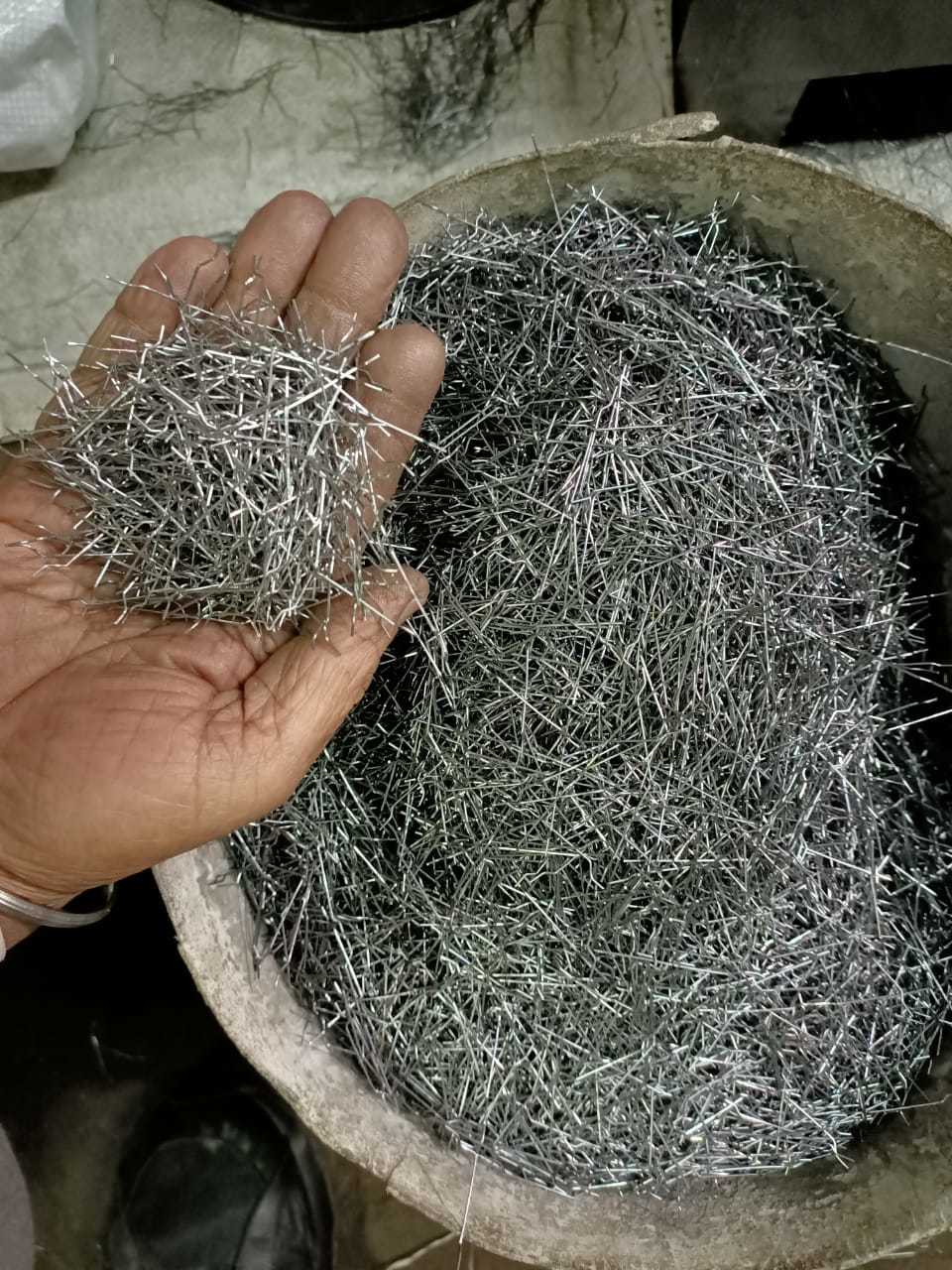
Steel Fiber
Price 70 INR/ Kilograms
MOQ : 1 Kilograms
Steel Fiber Specification
- Staple Length
- Customizable
- Elasticity
- High
- Crimp Frequency
- Uniform
- Crimp Recovery
- Excellent
- Elongation
- < 4%
- Material
- High-strength Steel
- Fiber Length
- 30-60 mm
- Fineness (%)
- 95%
- Pattern
- Hooked End
- Use
- Concrete Reinforcement
- Feature
- High Durability, Superior Tensile Strength
- Color
- Silver Grey
- Tensile Strength
- 1100 MPa min.
- Shape
- Hooked End Steel Fiber
- Application
- Precast Concrete, Floor Slab, Shotcrete, Pavement, Tunnel Linings
- Diameter
- 0.5 mm 1.0 mm
Steel Fiber Trade Information
- Minimum Order Quantity
- 1 Kilograms
- Supply Ability
- 100000 Kilograms Per Day
- Delivery Time
- 10 Days
About Steel Fiber
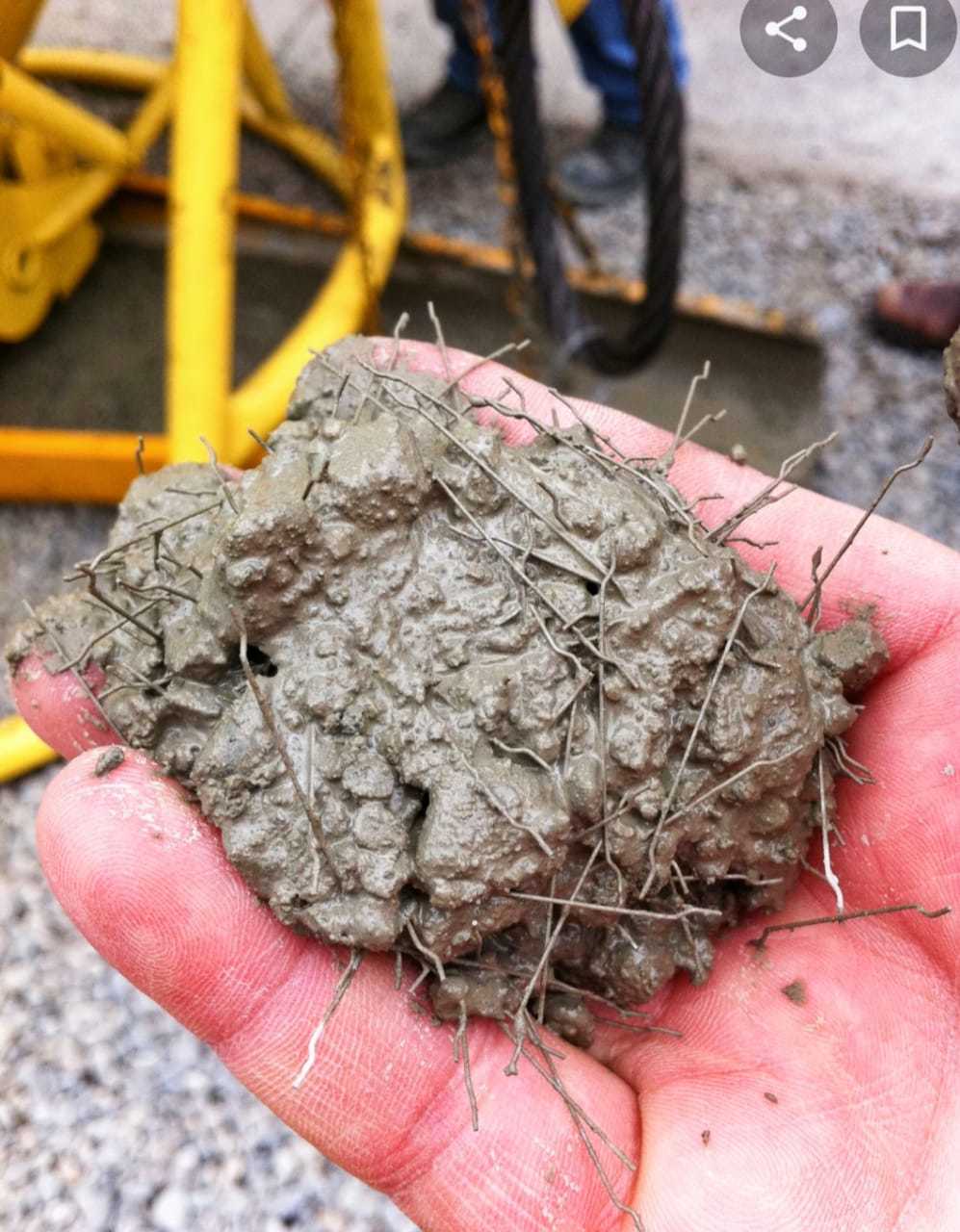
Steel fiber is a type of reinforcement material used in concrete and shotcrete to improve its mechanical properties and performance. It is made from thin, elongated steel wires or filaments that are either cut or melted from steel sheets. Steel fibers are added to the concrete mix to enhance its tensile strength, toughness, ductility, and resistance to cracking and impact, making it suitable for various construction applications where high-performance concrete is required.
Frequently Asked Questions (FAQ):
Q: What is the purpose of steel fibers in concrete?
A: The addition of steel fibers to concrete enhances its tensile strength, which is typically low in traditional concrete. This reinforcement increases the concretes ability to resist cracking, flexural and shear forces, and impact loads, making it more durable and reliable for various construction projects.
Q: What are the different types of steel fibers available?
A: There are various types of steel fibers, including hooked-end fibers, straight fibers, crimped fibers, and others, each designed with specific features to optimize concrete performance for different applications.
Q: What construction applications use steel fiber-reinforced concrete?
A: Steel fiber-reinforced concrete finds applications in industrial floors, tunnel linings, bridge decks, pavements, precast elements, shotcrete, and other high-stress environments where improved concrete properties are essential.
Q: How are steel fibers added to concrete?
A: Steel fibers are typically added to the concrete mix during the batching process. The fibers are uniformly distributed throughout the mix, ensuring they are well-dispersed within the concrete matrix.
Exceptional Reinforcement Performance
Our Hooked End Steel Fiber delivers enhanced structural integrity and crack resistance for concrete applications. Its high elasticity and superior tensile strength ensure reliable performance in demanding environments such as tunnels, pavements, and industrial floors. The consistent crimp frequency and excellent recovery make it uniquely capable of maintaining concretes durability over time, resulting in longer-lasting construction projects.
Customizable and Reliable Solutions
We offer steel fibers with customizable lengths and a uniform hooked end design, ensuring optimal bonding within concrete mixes. Suitable for various project requirements, our fibers can be seamlessly used in precast elements, floor slabs, and shotcrete applications. This flexibility allows you to adapt our products to specific engineering needs, improving overall work efficiency and performance.
FAQs of Steel Fiber:
Q: How does hooked end steel fiber enhance concrete reinforcement?
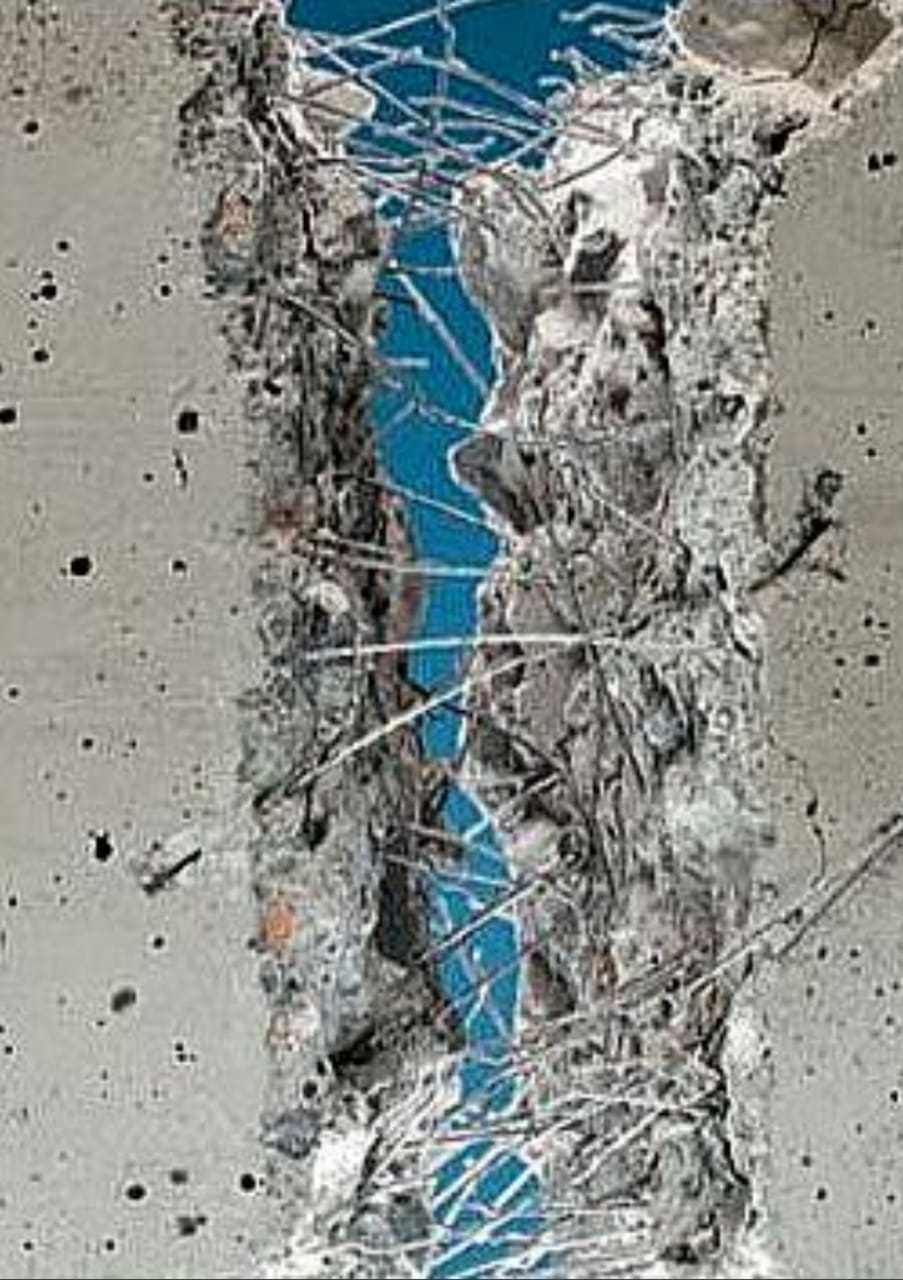
A: Hooked end steel fiber integrates into the concrete matrix, providing bridging across cracks and improving tensile strength. Its designed hooks ensure robust mechanical bonding which enhances durability, flexibility, and resistance to cracking and spalling in concrete structures.Q: What are the main applications for hooked end steel fibers in construction?
A: These fibers are primarily used in precast concrete, floor slabs, shotcrete, pavements, and tunnel linings. Their high durability and tensile strength make them especially suited for infrastructural and industrial projects requiring superior crack resistance and long-term performance.Q: When should I use this specific diameter and tensile strength of steel fiber in my project?
A: Opt for fibers with a 0.51.0 mm diameter and 1100 MPa minimum tensile strength when you need enhanced mechanical properties for challenging projects, such as industrial flooring or tunnel linings, where high durability and crack resistance are critical.Q: Where are these hooked end steel fibers manufactured and supplied from?
A: We manufacture, distribute, and supply hooked end steel fibers from India, serving construction projects nationwide and providing reliable support for a variety of reinforcement needs.Q: What is the process for adding steel fibers to a concrete mix?
A: Steel fibers can be added directly into the concrete mix during batching, ensuring uniform distribution. It is essential to mix thoroughly for optimal fiber dispersion, enabling maximum reinforcement throughout the concrete structure.Q: How does the high elasticity and crimp recovery of these fibers benefit my project?
A: High elasticity allows the fibers to deform under stress and recover once the load is released, distributing stress throughout the concrete. Excellent crimp recovery ensures the fiber retains its shape, maximizing reinforcement and extending the structures lifespan.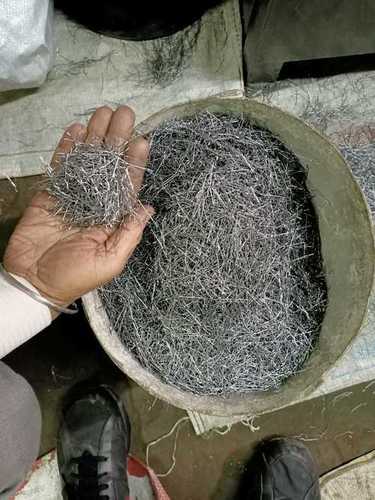
Tell us about your requirement

Price:
Quantity
Select Unit
- 50
- 100
- 200
- 250
- 500
- 1000+
Additional detail
Mobile number
Email


 Send Inquiry
Our Products


B No.1, Kabri Road, Near Shiv Shakti Dharam Kanta, Industrial Area,Panipat - 132103, Haryana, India

Mr. Amber Gulati
(Proprietor)
Mobile :08071931451
 Send Inquiry
 Send SMS
 Call Me Free
Developed and Managed by Infocom Network Private Limited.
